Quantum computing

Tan was an early investor and adviser to the Australian government-backed company, which is currently planning to build two large scale quantum computers in Brisbane and in Chicago.
Nvidia says its world first open AI models will speed up the path to useful quantum computing. Australian startups see it not as a threat, but an opportunity.

CEO Michael Biercuk says Q-CTRL has addressed aviation's GPS jamming crisis with quantum sensors, while predicting quantum computers will achieve commercial viability by 2028.

Silicon Quantum Computing manufactures around one atomic processor per week. As the startup looks to commercialise years of R&D, it wants to grow that number dramatically.

Our quantum rise is helping reverse brain drain, drawing scientists home and turning local innovators into global tech standouts. We should celebrate that.

Silicon Quantum Computing has sold quantum chips that accelerate AI development to the Department of Defence.
The startup, which is developing chips for cutting-edge quantum computers, last month began working through a Department of Defence quantum program.

Australia led the world in solar innovation but failed to cash in. With quantum computing, we have a second chance — if we act decisively.
Australian quantum computing startups like Diraq, SQC and Q-CTRL are likely to escape the worst damage from Trump's tariffs, even as they continue to win US government support.

Quantum startups face a distinct fundraising journey — one that requires visionary storytelling, investor education and a long-term view on commercial success.
On the same day Trump called for an end to the $84 billion US chips subsidy program, the Albanese government attacked the Coalition's plan to review its massive quantum computing bet.

Peter Dutton has threatened to scrap the federal government’s $470m PsiQuantum investment, while Queensland reviews its own stake in the startup.

A partner at $340 million French VC Quantonation says Australia's strict export controls could 'starve innovators' and benefit the likes of Amazon and Microsoft.
After Google and Microsoft made waves with quantum chip announcements, PsiQuantum unveiled one it says keeps it on track to deliver a commercial machine by late 2027.

Australia’s Silicon Quantum Computing set a new record in a key benchmark test — just a day after Microsoft unveiled its own quantum breakthrough.
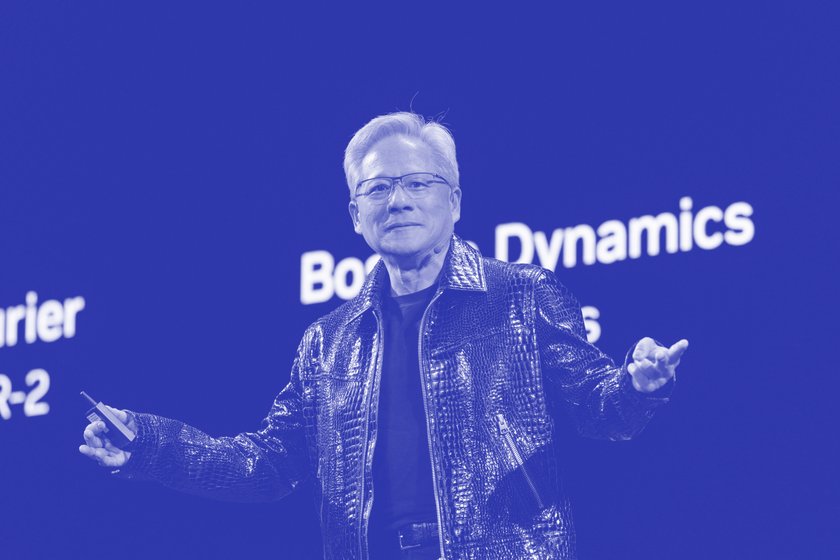
Recent comments by Nvidia's Jensen Huang triggered a slump in quantum computing stocks, but Australian startups aren't too fussed.
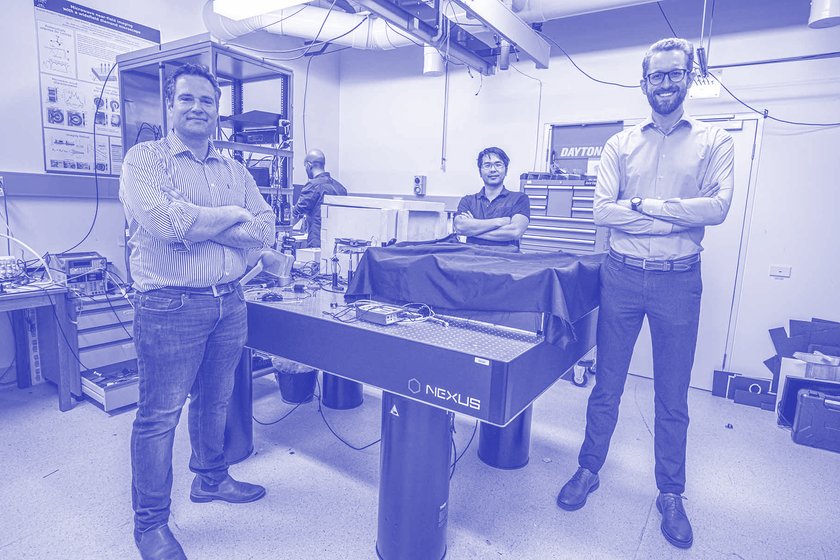
As one of Australia's most promising quantum startups raises $23 million to build a diamond foundry, a breakthrough from Google reminds us that the quantum era is still billions of dollars away.

Quantum computing promises to break today's encryption systems. QuintessenceLabs has been working on quantum-safe cybersecurity protections for nearly 20 years.
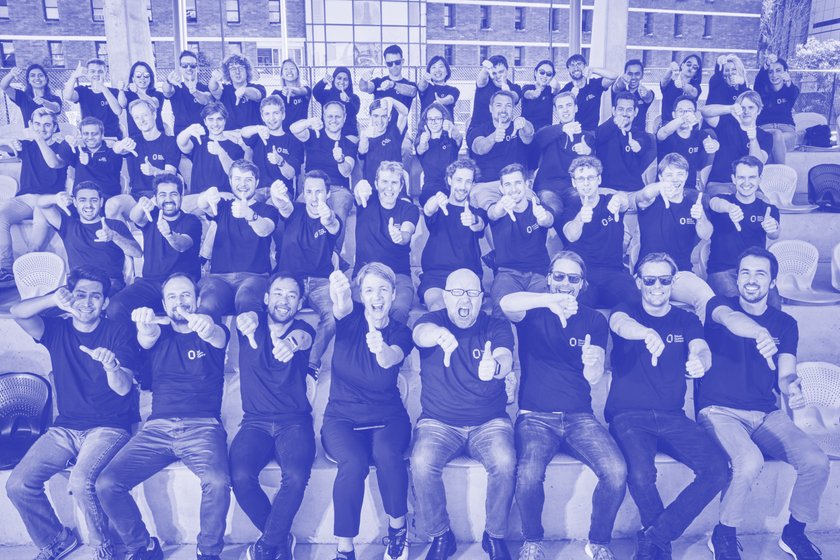
Michelle Simmons revealed at SXSW that her company Silicon Quantum Computing has notched some wins this year. It's not the only local quantum startup to have done so.

Quantum pioneer Michelle Simmons breaks her silence since the government's PsiQuantum announcement to make a compelling case for Australia's quantum computing future at SXSW Sydney.

The startup, which develops software to make quantum computers more reliable, has raised a total of $166 million during its extended Series B.

Quantum computing startups are eligible for government support via the National Reconstruction Fund, but after a year, the NRF has yet to make any investments.
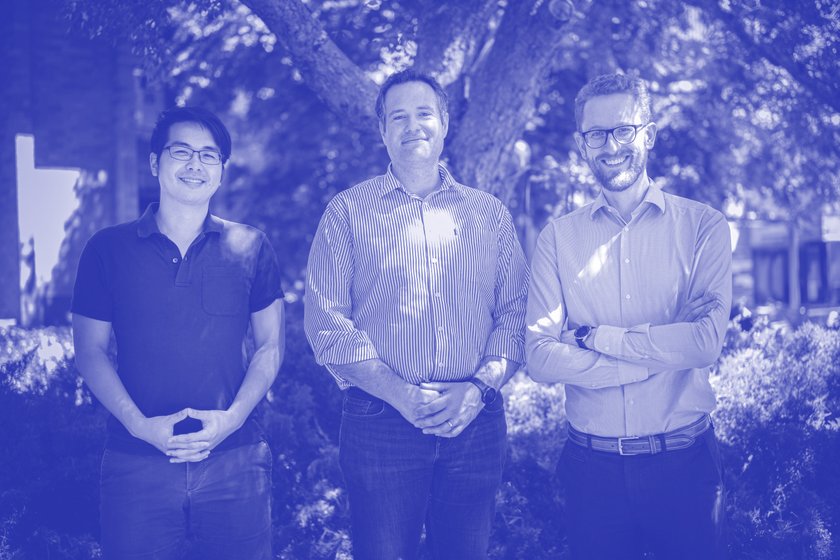
The Canberra-based startup develops laptop-sized quantum computers, and is expected to receive $15 million for its contract with Germany's top cyber agency.
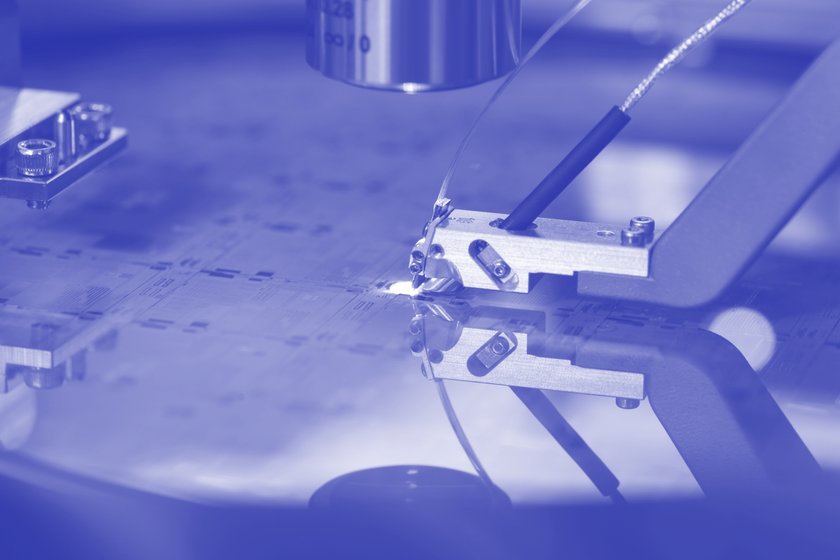
Pete Shadbolt defended the government's controversial $940 million investment into his startup but said it won't cover the cost of building a useful quantum computer – which he calls a "species-level challenge."

The Commonwealth and Queensland government's invested $940 million in PsiQuantum in May. Now, the startup has struck a deal to build a quantum computer in Chicago.

Now serving customers like JP Morgan, QuintessenceLabs was founded all the way back in 2008, when quantum computing was more idea than reality.

Documents released under a Freedom of Information request show the Department of Industry was not just chasing commercial goals when it invested in PsiQuantum.
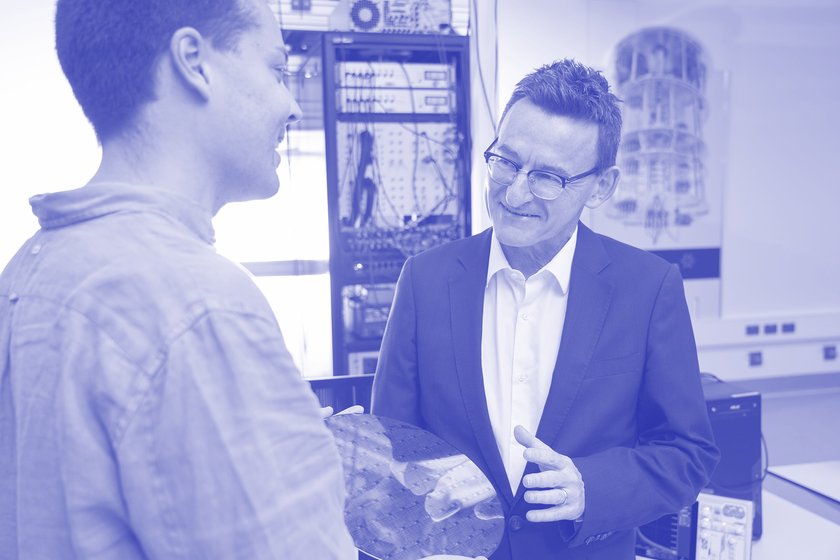
The Sydney deep tech startup has struck a deal with GlobalFoundries, which makes semiconductors for the likes of Qualcomm, to make a batch of its quantum-powered chips.
